Selection Guides
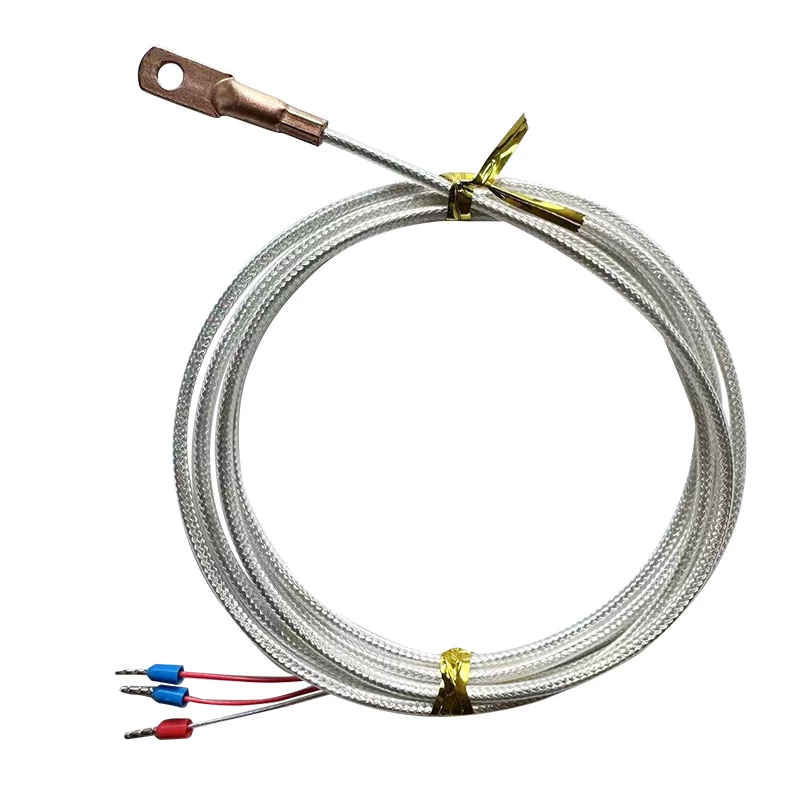
NTC thermistors and Pt100 RTDs are both resistance sensors, but they behave very differently: sensitivity, range, linearity, wiring and cost. A practical guide to choosing the right one for your application.
Read more
Application Cases
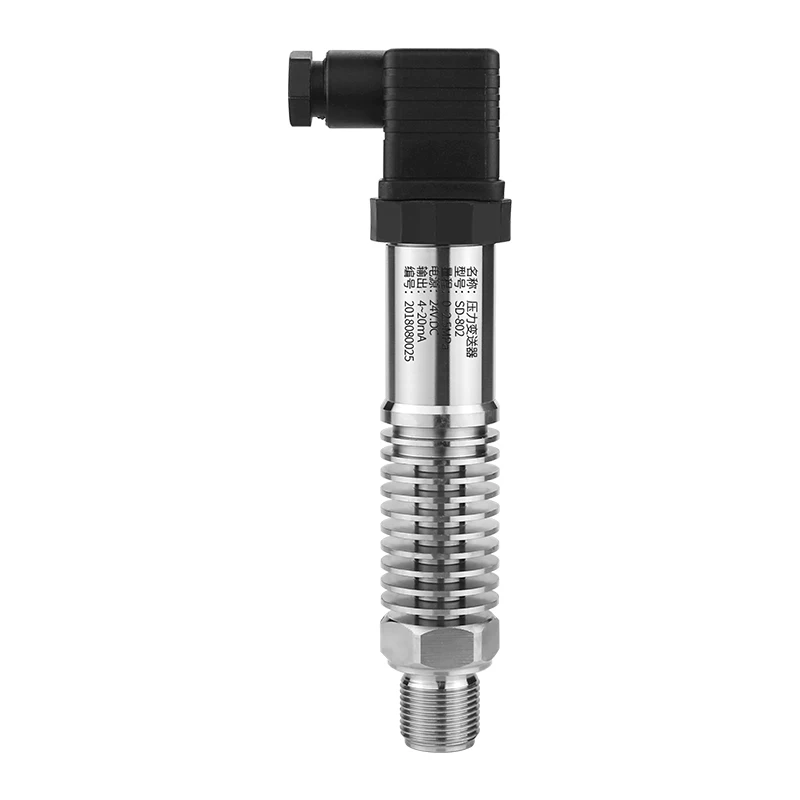
A process plant's steam boiler ran on a local pressure gauge and a dial thermometer. A 250°C-rated pressure transmitter and mineral-insulated thermocouples now feed live trends, alarms and the safety interlock.
Read more

Application Cases
A food producer's clean-in-place records relied on one sensor at the CIP skid. Fast-response Pt100 sensors at the circuit's cold spots, logged via head-mounted transmitters, turned wash validation from assumption into evidence for auditors.
Read more
Application Cases
Recurring pressure-tap blockages on a resin reactor made pressure readings fictional between clean-outs. Flush-diaphragm transmitters with high-temperature construction measure at the vessel wall — no impulse lines to clog, no weekly rodding-out.
Read more

Application Cases
A municipal wastewater operator needed discharge pressure from dispersed pump stations in one SCADA view. RS485 Modbus pressure transmitters on a single bus replaced gauge rounds and blind spots — including early warning of a rising main blockage.
Read more

Application Cases
A heat-treatment shop's furnace thermocouples drifted low within months, shifting hardness results. Switching control points from Type K to mineral-insulated Type N with matched extension cable ended the quarterly replacement cycle.
Read more
Selection Guides
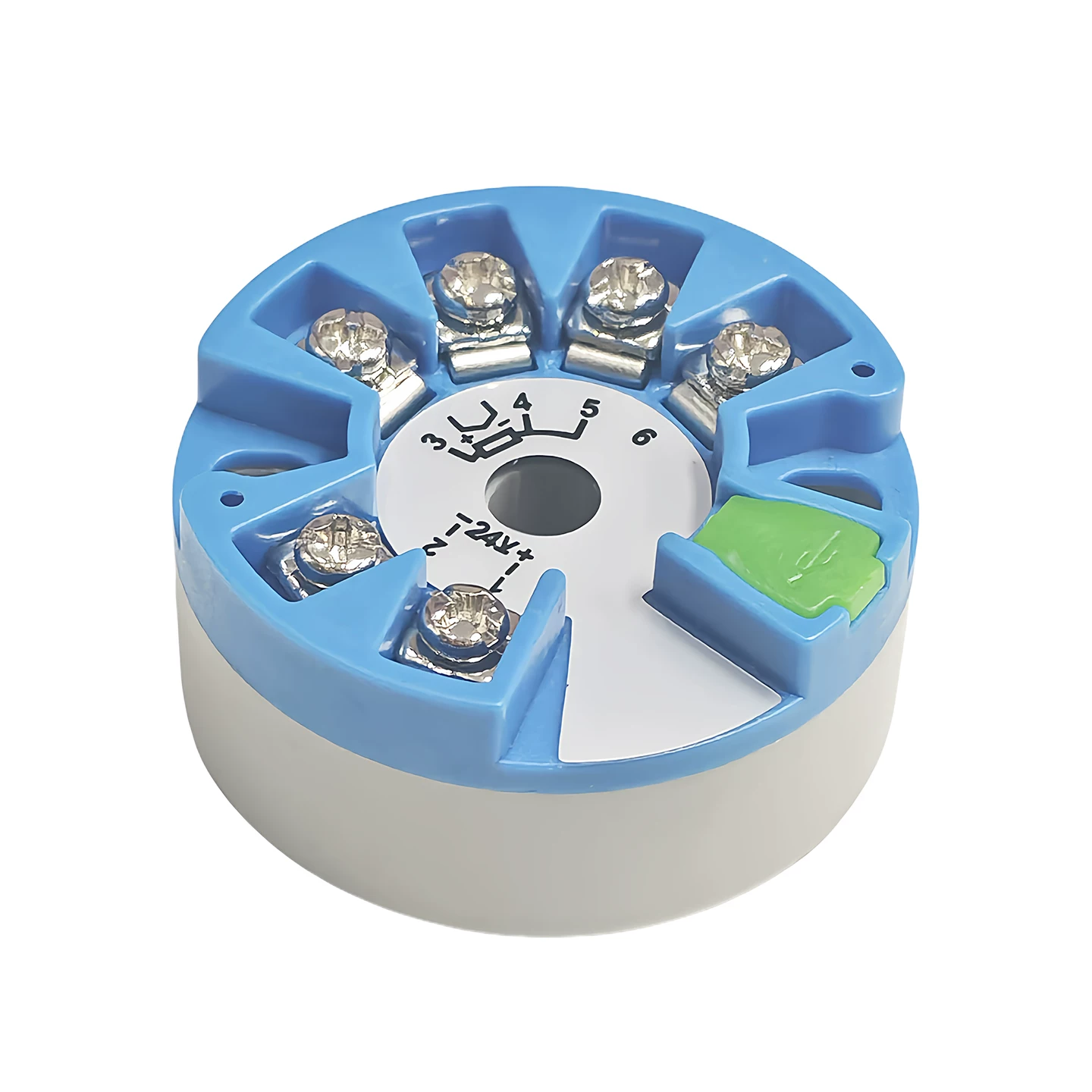
How transmitter output signals differ where it counts — distance and noise, wire-break diagnostics, power supply, multi-point wiring and PLC compatibility — and which signal to specify for temperature and pressure transmitters in machines, plants and monitoring networks.
Read more
Selection Guides
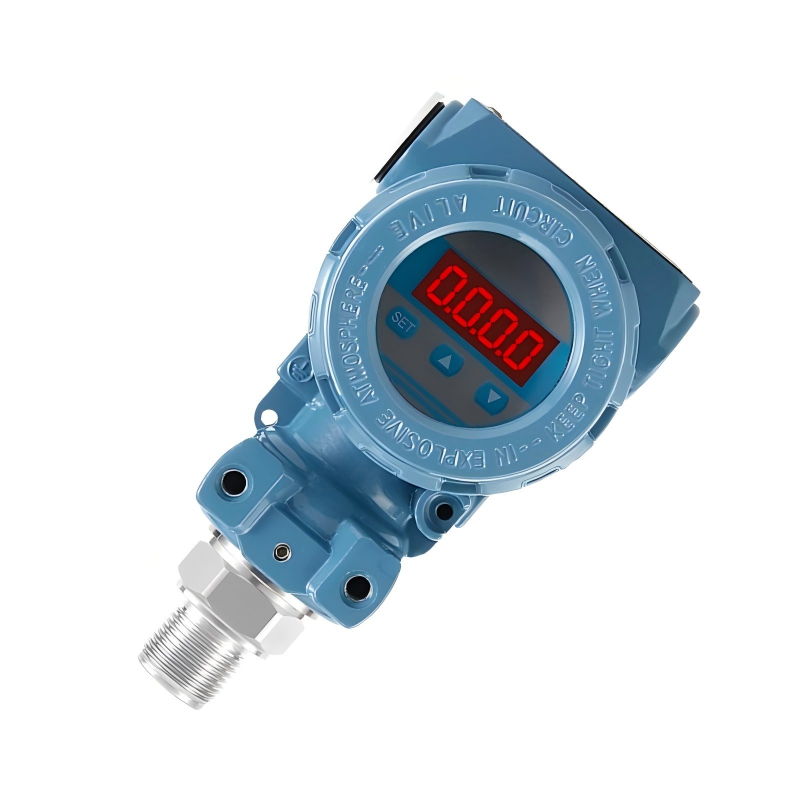
Six decisions that decide whether a pressure transmitter works for years or fails in months — pressure type, range and overpressure, what accuracy %FS really means, output signal, process connection and wetted materials, and environment. With a specification checklist.
Read more
Selection Guides
Pt100 and Pt1000 share the same platinum curve but behave very differently in real installations. Sensitivity, lead-wire error (2.6 °C vs 0.26 °C per ohm), self-heating, and the instrument-compatibility trap — a practical guide to specifying the right element.
Read more
Selection Guides
The five common base-metal thermocouple types compared — temperature ranges, atmospheres they survive, accuracy, drift behaviour and output — with practical rules for picking the right letter for furnaces, plastics, food and cryogenics.
Read more
Application Cases
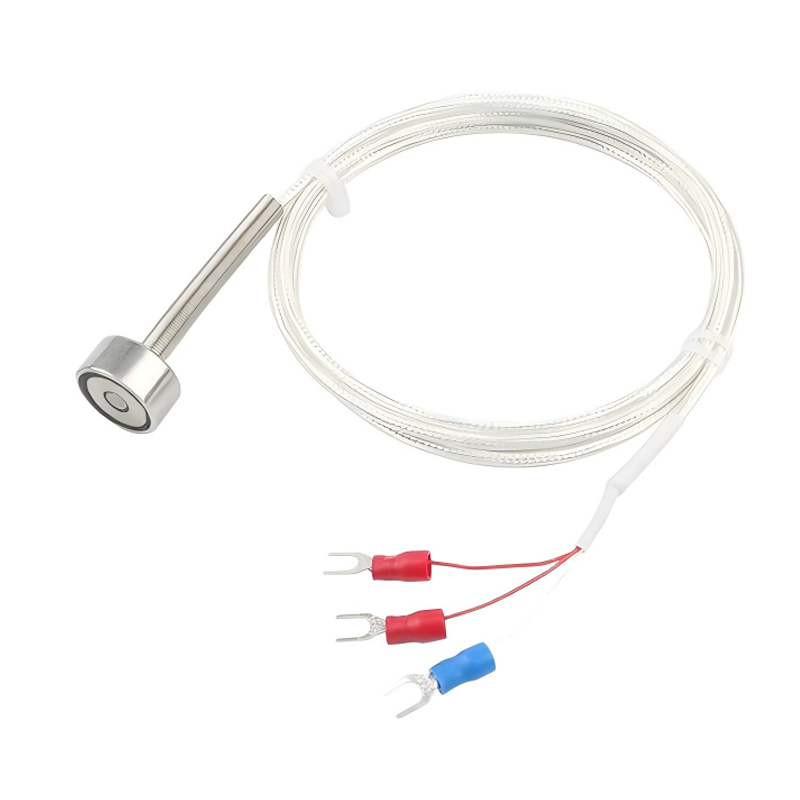
A plant added temperature monitoring to a fleet of existing motors and pumps using magnetic surface-mount RTDs — no drilling, no shutdown machining — and now catches overheating bearings and cooling failures early.
Read more
Application Cases
A cold-chain warehouse replaced scattered data loggers with a network of Pt100 probes and RS485 temperature transmitters on one Modbus line — continuous records for audits, alarms before product is at risk.
Read more
Application Cases
How a plastics machinery builder stabilized barrel zone temperatures with spring-loaded mineral-insulated thermocouples matched to each heater zone — fewer rejects, faster zone recovery, one sensor spec across the machine range.
Read more

Application Notes
Why a 2-wire Pt100 can read several degrees high, how 3-wire compensation works, and when 4-wire is worth it — with the simple math (about 2.6 °C error per ohm) and practical fixes including head-mounted transmitters.
Read more
Selection Guides
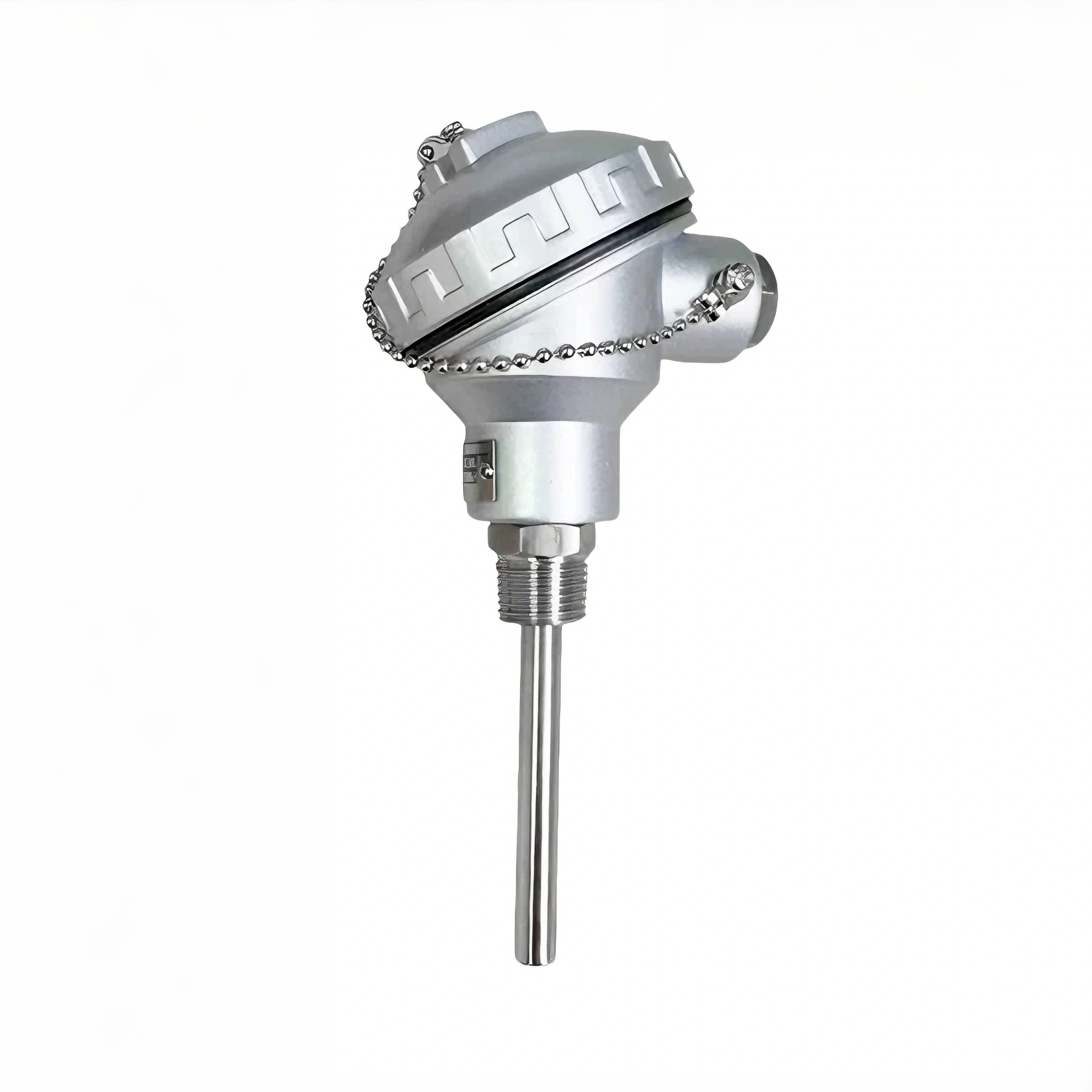
A practical engineer's comparison of RTDs (Pt100) and thermocouples: accuracy, temperature range, drift, response time, vibration, wiring and cost — with a simple decision rule for industrial applications.
Read more
Selection Guides
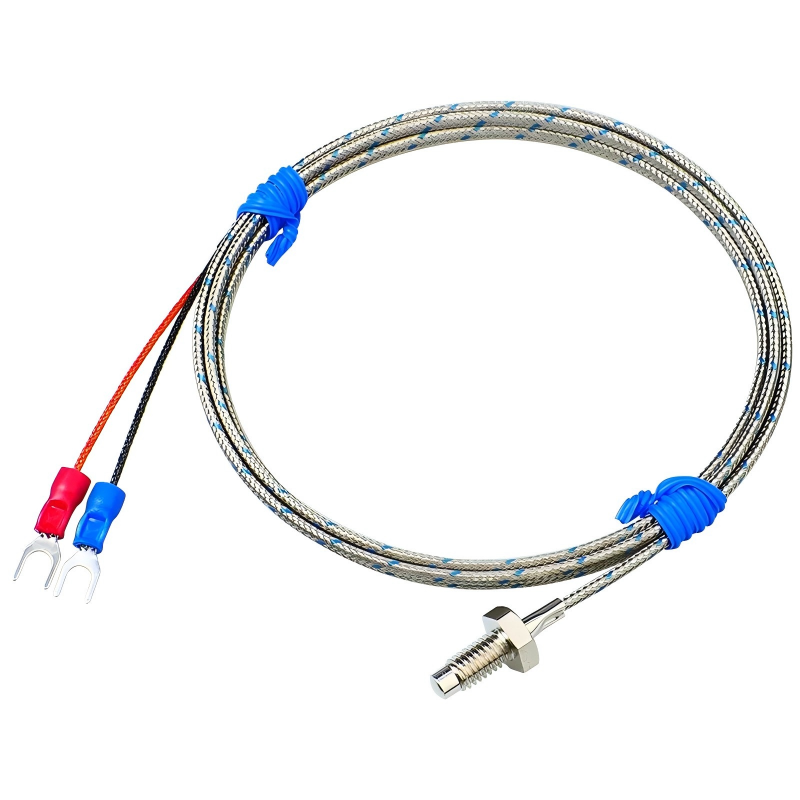
What PT100 tolerance classes AA, A, B and C really mean in °C at your working temperature — formulas, a worked tolerance table, validity ranges for wire-wound vs thin-film elements, and how to choose the right class.
Read more
